Description
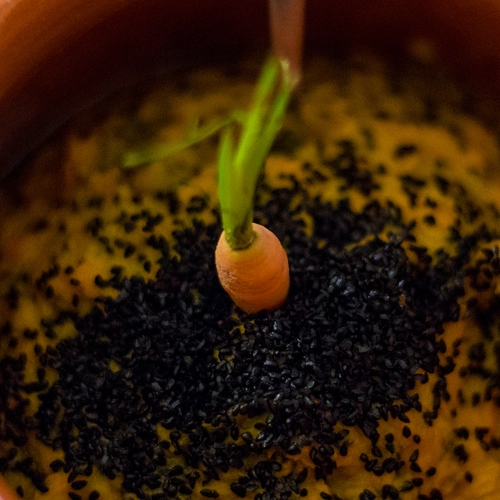
The nigella is a plant known both in the East and in the West since ancient times. The name of this plant (used for both seeds and oil taken from seeds) is translated into many languages (from English, to Bosnian, from Indian, to Egyptian), this certifies its widespread distribution. Traditional folk medicine was widely used and this is testified by numerous sources. One of them is the Arab doctor and philosopher Avicenna, who mentions her in his canon of medicine. Here nigella is described as antifungal, antioxidant and anti-inflammatory. Today we also know that the seeds of this plant of the "ranunculaceae" family are rich in omega 3 and omega 6 fatty acids.
Interesting considerations are given by Giuseppe Donzelli in his book "Dogmatic and spagyric pharmaceutical theater" (1677) which, quoting Dioscoride and Pier Andrea Mattioli (Sienese humanist of the first half of the 16th century, known for his commentary on the "De materia medica" di Dioscoride, first herbarium that we know) underlines the properties of nigella and let us know that in ancient Greece one of the names used was Melanthion, (p.278).
A review published in the Journal of Plant Development Sciences (vol. 4, no. 1) traces the very long use of its seeds in the traditional medicine of many countries: https://www.researchgate.net/publication/268207519_Black_cumin_Nigella_sativa_L_-_a_review
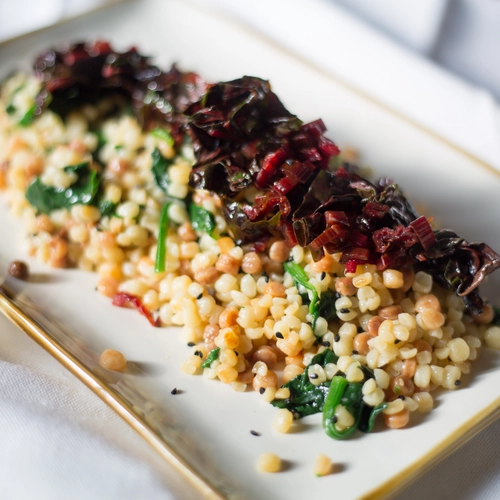
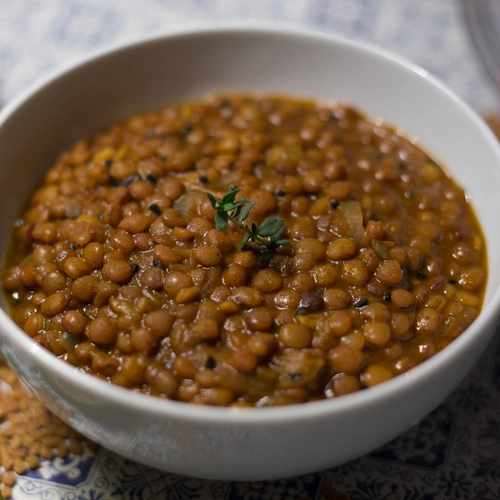
In the kitchen its small black seeds, with a flavour reminiscent of onion and pepper, are sprinkled on bread, on vegetables and in curries.